Starting a fitness journey can feel overwhelming. One person says you need to train six days per week. Another says you need to cut carbs. Social media is filled with before-and-after photos promising incredible results in just a few weeks. With so much conflicting information, it’s no surprise that many beginners work hard but struggle to see progress.
The good news is that most people don’t fail because they lack motivation or discipline. More often, they make a few common mistakes that slow their progress without realizing it.
If you’re new to fitness, avoiding these mistakes can help you build momentum, stay consistent, and achieve better long-term results.
The most common beginner fitness mistakes are constantly changing programs, trying to do too much at once, neglecting nutrition, focusing only on the scale, and expecting results too quickly.
The solution is surprisingly simple: follow a structured plan, focus on consistency, support your training with good nutrition, and give yourself enough time to see results.
One of the biggest mistakes beginners make is constantly searching for the “perfect” workout program.
A new routine appears on social media, a friend recommends something different, or a fitness influencer claims they’ve found the secret to rapid muscle growth. Before long, many people abandon their current program after only a few weeks.
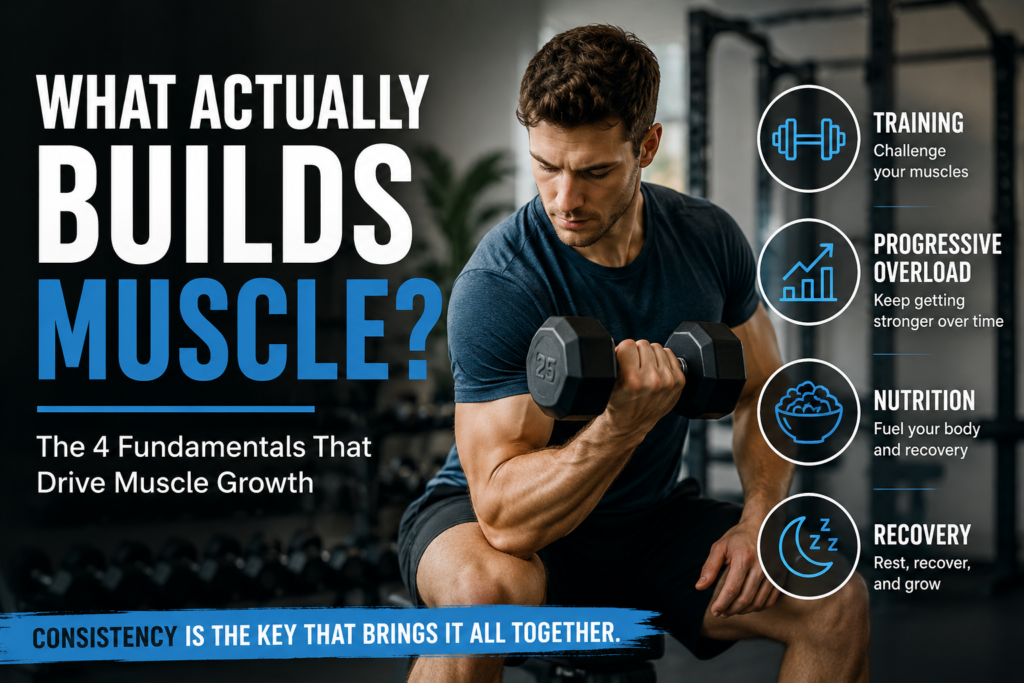
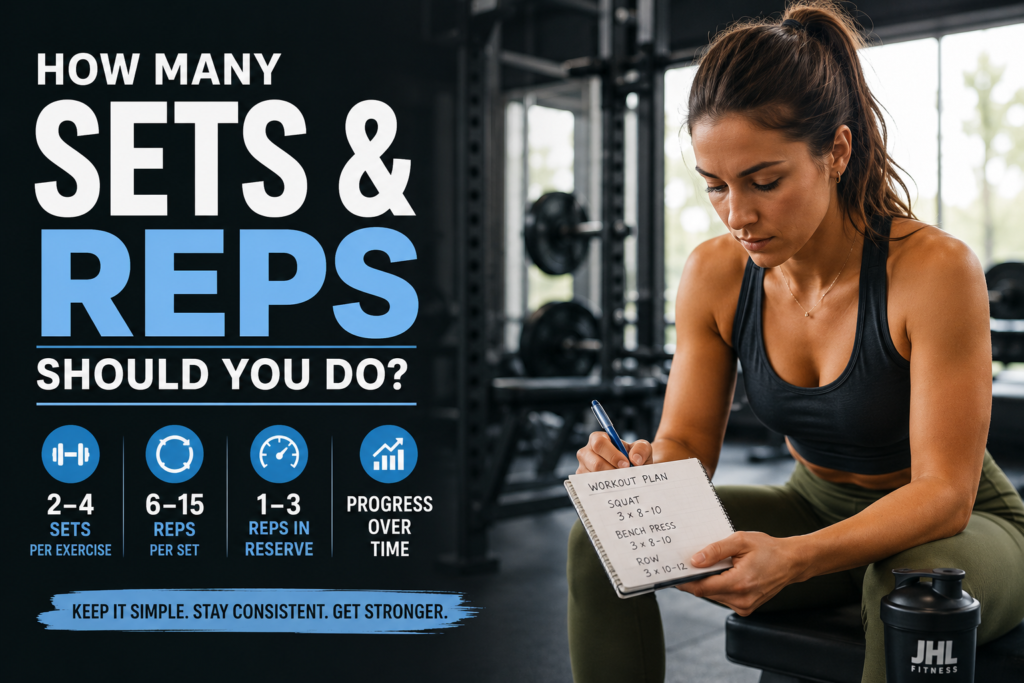
The problem is that fitness results require consistency and progressive overload—the gradual increase of training demands over time. If you’re constantly changing exercises, sets, reps, and routines, it’s difficult to measure progress or build momentum.
Instead of looking for the perfect program, focus on finding a good program and sticking with it for at least 8–12 weeks. Give yourself enough time to improve your technique, build strength, and evaluate whether the program is actually working.
Motivation is often highest at the beginning of a fitness journey. While enthusiasm is great, it can sometimes lead to unrealistic expectations.
Many beginners suddenly decide to:
Work out six or seven days per week
Do cardio every day
Completely overhaul their diet
Eliminate all favorite foods
Hit aggressive step goals
While this approach may work temporarily, it often leads to burnout.
Sustainable fitness isn’t about doing everything perfectly. It’s about doing enough consistently.
For most beginners, training two to four days per week, increasing daily activity, and making a few nutrition improvements will produce meaningful results. Starting small may not feel exciting, but it’s often what leads to long-term success.
Many people assume that exercise alone will completely transform their physique. While training is important, nutrition plays a major role in body composition, recovery, energy levels, and performance.
If your goal is fat loss, your calorie intake matters. If your goal is building muscle, consuming enough protein becomes especially important.
Research suggests that adequate protein intake supports muscle growth and recovery during resistance training (Morton et al., 2018).
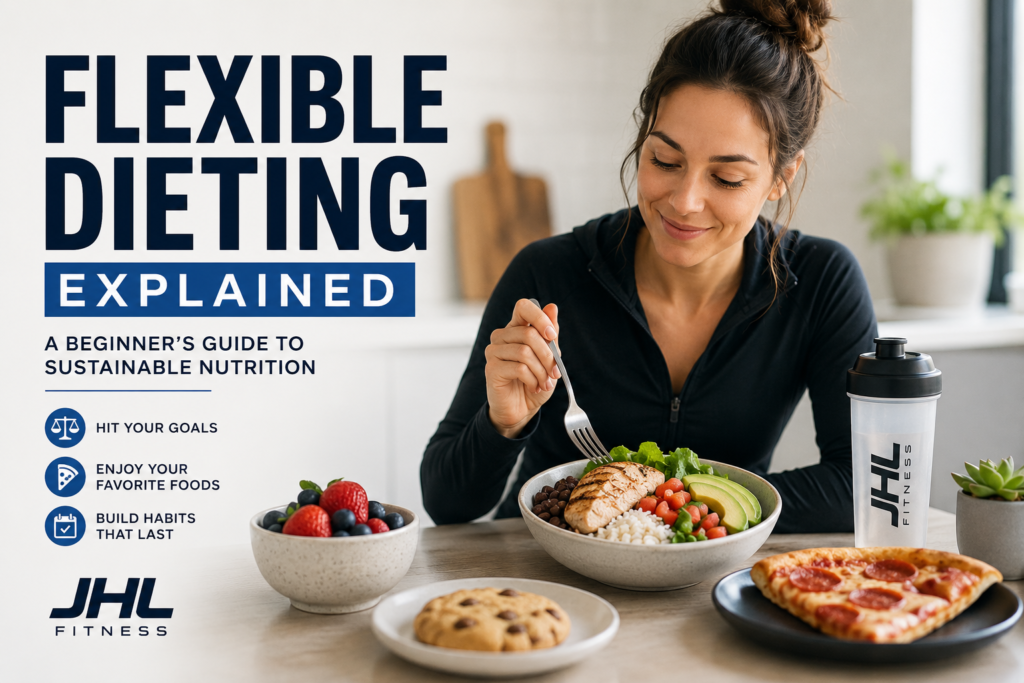
The good news is that nutrition doesn’t have to be complicated. Most beginners can make significant progress by focusing on a few fundamentals:
Eat protein with most meals
Include fruits and vegetables daily
Stay hydrated
Be mindful of portion sizes
Aim for consistency rather than perfection
Small Improvements practiced consistently will outperform extreme diets that are difficult to maintain.
Many beginners judge their success entirely by what the scale says. While body weight can be a useful metric, it doesn’t tell the whole story. You may be gaining strength, building muscle, improving your energy levels, sleeping better, and becoming more active even if the scale isn’t changing dramatically.
In some cases, muscle gain and fat loss can occur simultaneously, especially for beginners, making scale weight a poor reflection of overall progress.
Instead of relying on one metric, track multiple indicators of success:
Progress photos
Body measurements
Strength improvements
Workout performance
Energy levels
Consistency with habits
These metrics often provide a much clearer picture of your progress.
Perhaps the most common mistake of all is expecting rapid results. Social media often showcases dramatic transformations while hiding the months or years of work behind them.
Real fitness progress is usually slower than people hope—but faster than they realize when viewed over longer periods of time.
Many beginners quit after a few weeks because they don’t see immediate changes. Unfortunately, this often happens right before their habits begin to compound into noticeable results.
Instead of thinking in terms of days or weeks, think in terms of months and years.
The people who achieve lasting success aren’t necessarily the most motivated. They’re often the people who continue showing up long enough for their efforts to pay off.
If you're new to fitness, don't worry about optimizing every detail.
Focus on the basics:
Follow a simple training plan
Prioritize consistency
Eat enough protein
Track your progress
Be patient with the process
Most successful fitness journeys are built on simple habits repeated over time—not extreme workouts or miracle solutions.
Remember, the goal isn't just to get fit for a few weeks. The goal is to build habits that support your health and fitness for years to come.
Online Coaching | Science Based Fitness and Nutrition