Flexible Dieting Explained : A Beginner's Guide to Sustainable Nutrition

5/29/26

6 min

If you’ve ever felt like you had to give up your favorite foods to lose weight or improve your health, you’re not alone.

Many traditional diets rely on strict food rules: no carbs, no sugar, no eating out, no exceptions. While these approaches can sometimes produce short-term results, they’re often difficult to maintain long term.


That’s where flexible dieting comes in.


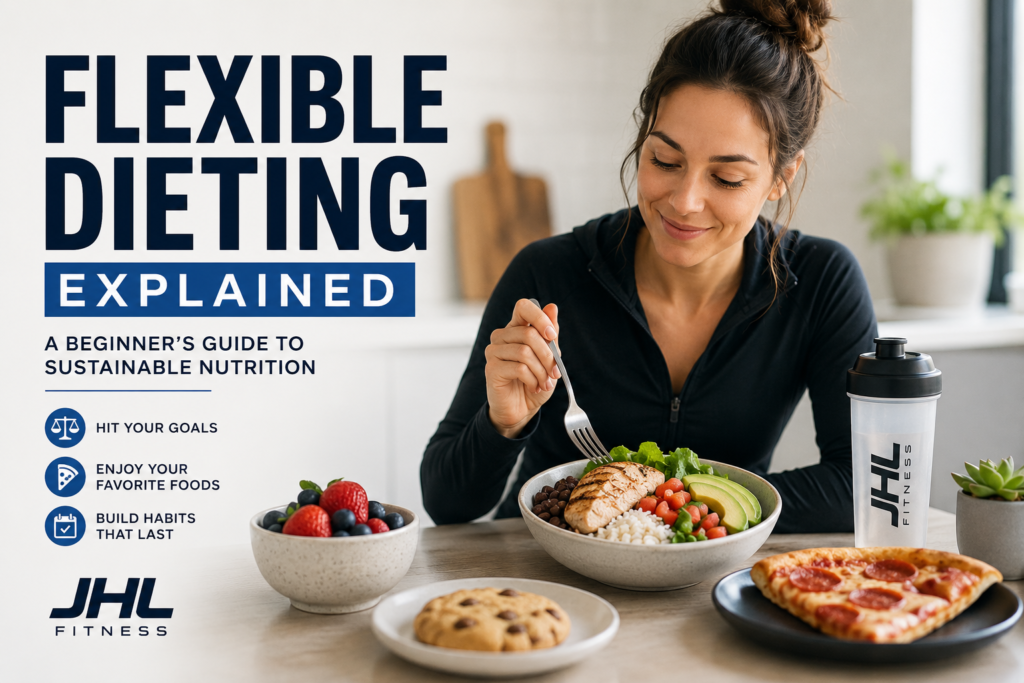
Flexible dieting is a nutrition approach that focuses on your overall calorie and macronutrient intake rather than labeling foods as “good” or “bad.” The goal is to create a way of eating that supports your fitness goals while still allowing room for foods you enjoy.

Quick Answer

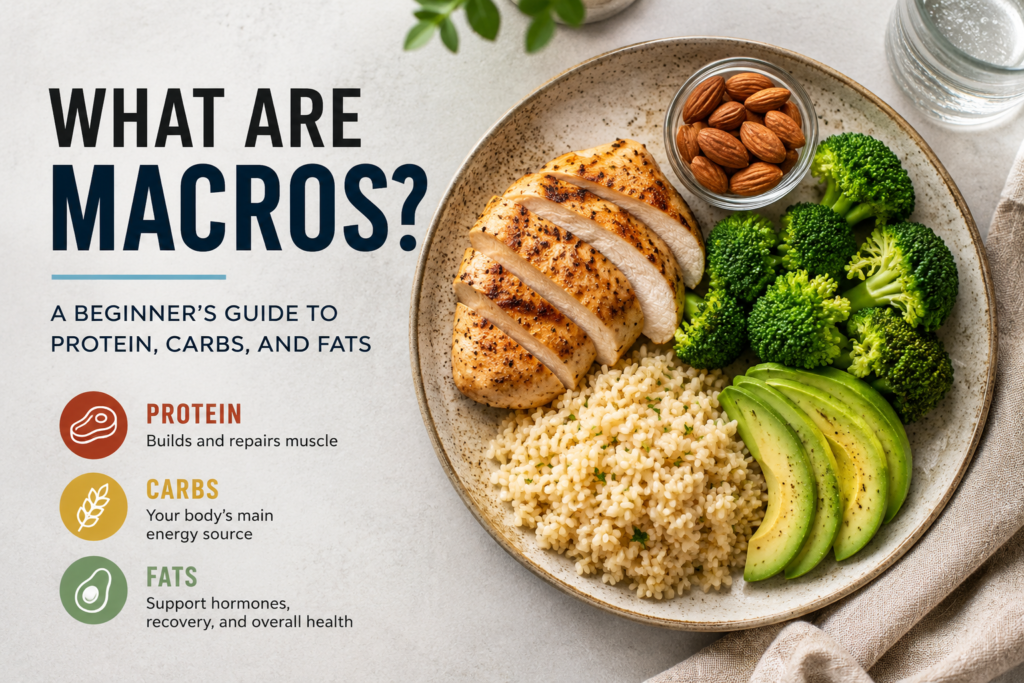
Flexible dieting means managing your calories, protein, carbohydrates, and fats while allowing flexibility in your food choices.
Instead of trying to eat perfectly, you focus on consistency. This makes it easier to stay on track during busy workweeks, social events, vacations, and everyday life.

Why Restrictive Diets Often Fail

One of the biggest reasons people struggle with nutrition isn’t a lack of knowledge—it’s a lack of sustainability.


When a diet feels too restrictive, it can lead to cravings, frustration, and the familiar “I’ll start over on Monday” mindset. Research consistently shows that long-term success depends heavily on dietary adherence, meaning how well you can stick to your plan over time (Hall & Kahan, 2018).


A nutrition plan that works for six months is usually more effective than a perfect plan that only lasts six days.

What Flexible Dieting Is (and Isn't)

A common misconception is that flexible dieting means eating junk food all day as long as it fits your calorie target.


That’s not the goal.


Flexible dieting still prioritizes nutrient-dense foods such as:

Lean proteins

Fruits and vegetables

Whole grains

Healthy fats


However, it also recognizes that enjoying a slice of pizza, dessert, or a meal out with friends can be part of a healthy lifestyle.


Many people find success by following an 80/20 approach: approximately 80% nutrient-dense foods and 20% foods chosen for enjoyment. To learn more about macro-nutrients, click here.

Why It Works for Busy Professionals

Life is unpredictable. Work deadlines, family commitments, travel, and social events don’t stop just because you’re trying to improve your nutrition.


Flexible dieting allows you to adapt instead of feeling like you’ve failed every time your schedule changes; thus providing you a level of consistency that would otherwise be much more challenging. Find other ways to help build consistency in your life to achieve your fitness goals.


Rather than forcing your life to fit your diet, flexible dieting helps your nutrition fit your life. This flexibility can improve consistency, reduce guilt around food, and support long-term progress (Aragon et al., 2017).

Practical Takeaway:

If you're constantly jumping from one diet to the next, consider simplifying your approach.
Focus on: Meeting your calorie target
Prioritizing protein
Eating mostly nutrient-dense foods
Allowing room for foods you enjoy

You don't need a perfect diet to make progress. You need a sustainable one.

Need Help Simplifying Your Nutrition? Start by using the JHL Fitness Macro Calculator to estimate your calorie and protein needs. If you'd like more personalized guidance, coaching can help you build a nutrition plan that fits your goals, schedule, and lifestyle.

Need help applying this to your lifestyle?

Citations